Introduction: Why Home Loan Balance Transfer Is Gaining So Much Attention
A home loan is usually the longest financial commitment most people make in their lives. With loan tenures stretching up to 20 or even 30 years, even a small difference in interest rate can mean saving or losing lakhs of rupees over time. This is exactly why home loan balance transfer has become such a popular topic among borrowers today.
Many homeowners start their home loan journey without fully understanding interest rate dynamics, market trends, or how their financial profile may improve over time. Years later, when they notice their EMI feels heavier than it should—or when they see new borrowers getting better interest rates—the idea of switching lenders starts to make sense.
This is where a home loan balance transfer comes in.
But is it always a good idea? Will it really save money? What are the hidden costs? And most importantly—should you do it or not?
This detailed guide answers all these questions in a clear, human-friendly, and practical way so you can make an informed decision without confusion or regret.
What Is a Home Loan Balance Transfer? (Simple Explanation)
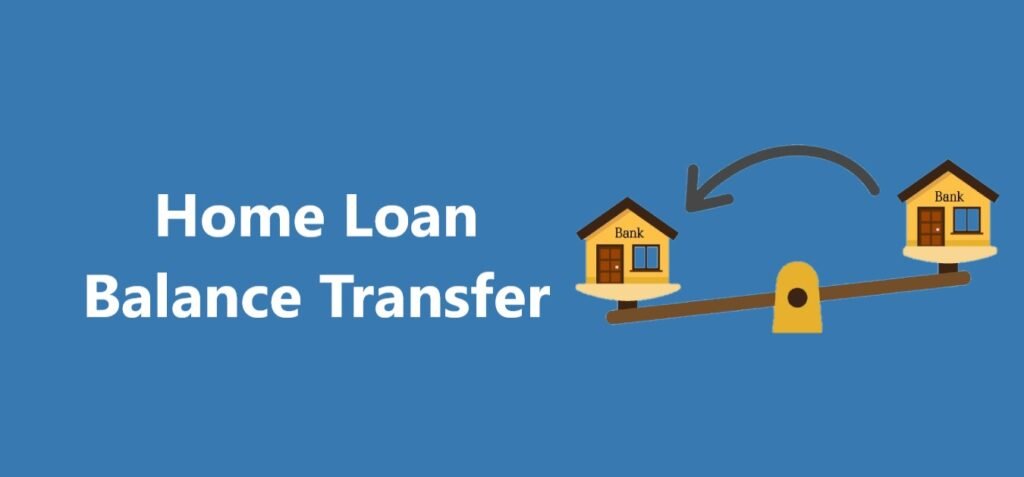
A home loan balance transfer is the process of transferring the outstanding balance of your existing home loan from your current lender to a new lender that offers better terms—usually a lower interest rate.
In simple words:
You move your remaining home loan to another bank or financial institution to reduce your EMI or loan tenure and save money on interest.
The new lender pays off your remaining loan amount to the existing lender, and you start repaying the new lender under revised terms.
Why Do People Opt for a Home Loan Balance Transfer?
Borrowers usually consider a balance transfer for one or more of the following reasons:
- Lower interest rates available in the market
- High EMI burden
- Improved credit score over time
- Better service or transparency
- Flexible repayment options
- Opportunity to reduce loan tenure
- Option to take a top-up loan
Even a 0.5% to 1% reduction in interest rate can result in massive savings over a long loan tenure.
How Does a Home Loan Balance Transfer Work?
Let’s understand the process in a simple step-by-step flow:
- You check your outstanding loan amount with your current lender
- You compare offers from other banks or lenders
- You apply for a balance transfer with a new lender
- The new lender evaluates your eligibility and property
- If approved, the new lender issues a sanction letter
- The new lender pays off your existing loan
- Your old loan account is closed
- You start paying EMIs to the new lender
The property remains the same—only the lender changes.
If you want to create AI Ads you can visit: https://adscribe.online

Key Features of Home Loan Balance Transfer
1. Lower Interest Rate
The most common reason for balance transfer is to secure a lower interest rate, which directly reduces interest outgo.
2. Reduced EMI or Shorter Tenure
You can choose to:
- Reduce your EMI while keeping the same tenure, or
- Keep the EMI same and reduce the loan tenure
3. Opportunity for Top-Up Loan
Many lenders offer additional funds (top-up loans) during balance transfer at home loan interest rates.
4. Flexible Repayment Options
Some lenders provide better prepayment and foreclosure terms.
5. Better Customer Service
Switching lenders can also mean improved digital experience and transparency.
Types of Home Loan Balance Transfer
1. Interest Rate Balance Transfer
Done purely to reduce interest rates.
2. EMI Reduction Transfer
Focused on lowering monthly EMI burden.
3. Tenure Reduction Transfer
Helps close the loan faster while keeping EMI similar.
4. Balance Transfer with Top-Up
Combines loan transfer with additional borrowing for personal needs, renovation, or other expenses.
When Is the Right Time to Opt for a Home Loan Balance Transfer?
Timing plays a crucial role in determining whether a balance transfer will be beneficial.
Early Loan Period
The best time to transfer is during the early years of the loan because:
- Interest component is highest
- Savings potential is maximum
Mid Loan Period
Balance transfer can still be beneficial if:
- Interest rate difference is significant
- Outstanding loan amount is high
Late Loan Period
Usually not recommended because:
- Most interest is already paid
- Transfer costs may outweigh benefits
Eligibility Criteria for Home Loan Balance Transfer
Although eligibility varies by lender, common criteria include:
Age
- Minimum: 21 years
- Maximum at loan maturity: 60–65 years
Employment Stability
- Salaried: At least 2–3 years of work experience
- Self-employed: Stable business for 3+ years
Credit Score
- Ideally 700 or above
- Higher score improves approval chances and interest rates
Repayment History
- No missed EMIs or defaults
- Clean repayment record with current lender
Property Status
- Property must be legally clear
- Approved by local authorities
Documents Required for Home Loan Balance Transfer
Personal Documents
- PAN card
- Aadhaar card
- Passport or driving license
Income Documents
For Salaried
- Latest salary slips
- Bank statements (6 months)
- Form 16 or ITR
For Self-Employed
- ITRs for last 2–3 years
- Balance sheet and P&L statements
Existing Loan Documents
- Loan account statement
- Sanction letter
- Repayment schedule
- Foreclosure letter from current lender
Property Documents
- Sale deed
- Approved building plan
- Occupancy certificate
- Property tax receipts
Step-by-Step Process: How to Do a Home Loan Balance Transfer
Step 1: Check Outstanding Loan Amount
Request a loan statement from your existing lender.
Step 2: Compare Lenders
Compare:
- Interest rates
- Processing fees
- Legal charges
- Customer reviews
Step 3: Calculate Potential Savings
Use balance transfer calculators to estimate savings.
Step 4: Apply for Balance Transfer
Submit application with documents.
Step 5: Property & Legal Verification
The new lender reassesses the property.
Step 6: Receive Sanction Letter
Review all terms carefully.
Step 7: Foreclosure of Old Loan
New lender pays off existing loan.
Step 8: Start Repayment with New Lender
New EMI schedule begins.
Costs Involved in Home Loan Balance Transfer
Balance transfer is not free. Understanding costs is critical.
Processing Fee
Typically 0.25%–1% of loan amount.
Legal & Technical Charges
Property verification fees.
Foreclosure Charges
Usually nil for floating-rate loans but may apply for fixed-rate loans.
Stamp Duty & Documentation
Minor administrative costs.
Always compare total savings vs total costs before deciding.
How Much Can You Save with a Home Loan Balance Transfer?
Savings depend on:
- Outstanding loan amount
- Interest rate difference
- Remaining tenure
Example
- Outstanding loan: ₹40 lakh
- Remaining tenure: 15 years
- Interest rate reduced by 1%
This could save you ₹5–8 lakh over the remaining tenure.
Home Loan Balance Transfer vs Loan Restructuring
| Feature | Balance Transfer | Loan Restructuring |
|---|---|---|
| Lender | Changes | Same |
| Interest Rate | Lower | Slight change |
| Process | Lengthy | Simpler |
| Cost | Moderate | Minimal |
| Savings | Higher | Limited |
Pros of Home Loan Balance Transfer
- Lower interest burden
- Reduced EMI or tenure
- Improved cash flow
- Access to better service
- Opportunity for top-up loan
Cons of Home Loan Balance Transfer
- Processing and legal fees
- Time-consuming documentation
- Property re-evaluation
- Risk of hidden charges
- Not beneficial in late loan stage
Common Myths About Home Loan Balance Transfer
Myth 1: It Is Complicated
Reality: With digital processes, it’s easier than ever.
Myth 2: Only New Borrowers Benefit
Reality: Existing borrowers benefit the most.
Myth 3: It Affects Credit Score Negatively
Reality: Temporary inquiry impact is minimal.
Myth 4: Savings Are Always Guaranteed
Reality: Savings depend on timing and costs.
You can also read our other loan related blogs, please visit: https://loans.fundicainvestments.com/important-to-understand-home-loans/
Should You Do a Home Loan Balance Transfer? (Decision Checklist)
You should consider a balance transfer if:
- Interest rate difference is at least 0.5%
- More than 50% tenure is remaining
- Outstanding loan amount is high
- You have a good credit score
- Transfer costs are reasonable
You should avoid it if:
- Loan is near completion
- Savings are minimal
- Your credit score is low
- Existing lender offers better restructuring
Tips to Maximize Benefits of Balance Transfer
- Negotiate with your current lender first
- Improve credit score before applying
- Opt for floating interest rate
- Avoid unnecessary top-up loans
- Read sanction letter carefully
- Choose shorter tenure if affordable
Tax Impact of Home Loan Balance Transfer
Tax benefits continue unchanged after balance transfer:
- Section 80C for principal
- Section 24(b) for interest
The lender change does not affect tax deductions.
Frequently Asked Questions About Home Loan Balance Transfer
Can I do balance transfer multiple times?
Yes, but it should make financial sense each time.
Does balance transfer affect ownership?
No, property ownership remains unchanged.
Can I include co-applicants?
Yes, existing co-applicants usually continue.
Is prepayment mandatory?
No, it is optional.
Conclusion: Is Home Loan Balance Transfer Worth It?
A home loan balance transfer can be a powerful financial move when done at the right time and for the right reasons. It is not just about chasing a lower interest rate—it’s about long-term savings, financial comfort, and smarter money management.
If you still have a long loan tenure ahead, a strong credit profile, and a clear understanding of costs involved, a balance transfer can help you save lakhs and reduce stress. However, blind switching without calculations can backfire.
The key lies in careful evaluation, comparison, and timing.
A home loan is a marathon, not a sprint—and sometimes changing your running shoes makes all the difference.
Leave a Reply to Interest-Only Home Loans: The Good and the Bad – A Practical Guide for Home Buyers – Fundica Investments Cancel reply