Buying a car—whether new or used—is more than just picking a model, color, or features. It often involves choosing the right financing that fits your budget and lifestyle. Two major options dominate the decision:
- New Car Loan — financing a brand-new vehicle
- Used Car Loan — financing a pre-owned car
At first glance, the choice might look obvious: new = better quality, used = cheaper. But when you dig deeper—especially into the loan part—the answer becomes more complicated.
This guide explains everything you need to know to make a confident, money-smart decision in 2025, including:
✔ The difference between new and used car loans
✔ Costs, interest rates, and fees
✔ Pros and cons of each option
✔ Eligibility and documentation
✔ Hidden costs and long-term financial impact
✔ Real cost comparisons
✔ Common mistakes to avoid
✔ How to choose what’s right for your situation
Let’s begin.
Chapter 1: What Is a New Car Loan?
A new car loan is financing offered by banks, NBFCs (non-bank financial companies), or manufacturer-linked lenders to purchase a brand-new vehicle directly from the showroom.
When you take a new car loan:
- The lender pays the dealer/seller
- You repay the loan in EMIs (Equated Monthly Installments)
- The car becomes your asset immediately
New car loans often come with special interest rate offers, manufacturer deals, or seasonal discounts.
In many cases, the dealership helps you with documentation and processing — which can be helpful for first-time buyers.
Chapter 2: What Is a Used Car Loan?
A used car loan (also called a second-hand car loan) finances the purchase of a pre-owned vehicle.
Used cars are generally cheaper than new ones, which means the loan amount is lower. However, lenders often categorize used car loans differently and sometimes charge a slightly higher interest rate because used cars are considered a higher risk than new ones.
In a used car loan:
- The lender pays the seller (individual or dealer)
- You repay in EMIs
- The resale value and condition of the car influence the loan amount and rate
Used car loans can be a very cost-effective way to own a car without paying a high premium.
If you want to create AI Ads you can visit: https://adscribe.online
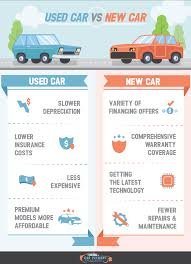
Chapter 3: New Car Loan vs Used Car Loan — Key Differences
Let’s begin with a side-by-side overview.
| Feature | New Car Loan | Used Car Loan |
|---|---|---|
| Asset Type | Brand new | Pre-owned |
| Down Payment | Typically 10–20% | Typically 15–30% |
| Loan Amount Limit | Higher (up to 90% of price) | Moderate (up to 70–80% of value) |
| Interest Rate | Lower | Slightly higher |
| Tenure | Usually up to 5–7 years | Usually up to 5 years |
| Depreciation | High in first years | Already depreciated |
| Maintenance Costs | Lower early on | Higher ongoing costs |
| Approval Ease | Easier with showroom tie-ups | Varies by lender |
| Resale Value | Higher long-term | Lower but closer to loan value |
Now let’s explore each of these points in detail.
Chapter 4: Interest Rates — What to Expect in 2025
Interest rates affect the total cost of the loan more than any other single factor.
In general:
✔ New car loans usually have lower interest rates because new cars are less risky for lenders (they have full documentation, warranty, lower default probability, and higher resale market).
✔ Used car loans often carry higher interest rates because:
- The vehicle may have wear and tear
- Resale value is uncertain
- Lenders see higher risk
Example (Hypothetical 2025 Numbers)
- New car loan interest rate: 8.5% to 11.5%
- Used car loan interest rate: 10% to 13.5%
The difference may seem small on paper, but over 5 years, even 1% interest adds a significant amount to your overall repayment.
Chapter 5: Down Payment and Loan Amounts
New Car Loan
- Down payment often lower percentage
- Many manufacturers offer promotions with minimal down payment
- Lenders may finance up to 90% of the car value
This makes new cars more accessible to people with lower savings.
Used Car Loan
- Lenders usually require a higher down payment
- Typical financing is up to 70–80% of the car’s current value
- Shorter tenure may be required
This is because the vehicle’s condition and true value are less predictable for lenders.
Chapter 6: Loan Tenure — How Long Are You Borrowing?
New Car Loan Tenure
Generally:
✔ 3 years
✔ 5 years
✔ 7 years (some lenders)
Longer tenure → lower EMI but more total interest.
Used Car Loan Tenure
Usually shorter:
✔ 3 years
✔ 4 years
✔ 5 years
Shorter tenure can help avoid long-term debt, but higher monthly EMIs.
Chapter 7: Depreciation — A Key Financial Factor
Depreciation is how much value a car loses over time.
New Cars
New cars lose the most value in the first few years.
For example:
- 20–25% drop in year 1
- 50%+ in 3–5 years
This is baked into loan planning and resale value calculations.
Used Cars
Used cars have already gone through most depreciation.
So if you buy a 2-year-old car, you avoid the steepest value loss.
This means:
- Lower loan amount required
- Ecoeconomic advantage if you plan long-term
Chapter 8: Monthly EMIs — Cost Comparison
When comparing EMIs, it’s important to look at total cost, not just monthly payment.
Let’s compare two scenarios:
Scenario A: New Car
- Price: ₹10 lakh
- Down payment: ₹1.5 lakh
- Loan amount: ₹8.5 lakh
- Interest: 9%
- Tenure: 5 yrs
- EMI: ~₹17,600
- Total outflow: ~₹10.6 lakh (excluding down payment)
Scenario B: Used Car
- Price: ₹7 lakh
- Down payment: ₹1.5 lakh
- Loan amount: ₹5.5 lakh
- Interest: 11%
- Tenure: 5 yrs
- EMI: ~₹11,800
- Total outflow: ~₹7.1 lakh (excluding down payment)
At face value, the used car loan demands lower EMI and less total cost — but we must also weigh maintenance, insurance, and other costs.
Chapter 9: Insurance, Maintenance, and Running Costs
This is where many buyers underestimate the total cost.
New Car
✔ Comes with manufacturer warranty
✔ Lower maintenance costs in early years
✔ Insurance premium usually lower for new cars initially (sometimes bundled)
Used Car
✘ No new warranty
✘ Maintenance needs may arise early
✘ Higher insurance premiums for older cars
✘ Unexpected repairs possible
For used cars, you should budget extra for service, spare parts, and unexpected breakdowns.
Chapter 10: Resale Value — Ownership Advantage
When you buy a car with a loan, you have an asset.
New Car
- Higher resale value long-term (if maintained)
- More desirable in the market
Used Car
- Lower resale value (but smaller loss because initial price was lower)
- Harder to sell if market demand drops
Resale value affects the real cost of ownership — selling the car after loan repayment adds back some money to your pocket.
Chapter 11: How Loan Eligibility Influences Your Decision
Eligibility determines how much you can borrow and at what rate.
Factors include:
- Age
- Income stability
- Credit score
- Existing debts
- Employment type (salaried vs self-employed)
New Car Loan
Tends to have easier approval if:
✔ Stable job
✔ Strong credit score
✔ Minimal existing debt
Used Car Loan
Approval may be slightly stricter because:
✔ Car valuation is variable
✔ Lenders see it as higher risk
Chapter 12: Documentation — What You Need
New Car Loan
Often simpler:
✔ KYC documents
✔ Bank statement
✔ Pay slips / ITR
✔ Vehicle proforma invoice
Dealerships often help with paperwork.
Used Car Loan
Requires additional:
✔ Proof of vehicle ownership transfer
✔ Vehicle valuation report
✔ Inspection report
This can lengthen the process slightly.
Chapter 13: Why People Prefer New Cars (Emotion & Logic)
People choose new cars for emotional and logical reasons:
Emotional Factors
✔ The excitement of owning a brand-new car
✔ The joy of first registration
✔ Latest features and tech
Logical Factors
✔ Better warranty coverage
✔ Lower maintenance initially
✔ Better fuel efficiency and safety features
Chapter 14: Why People Choose Used Cars (Practical & Cost-Savvy)
Used cars are no longer “just old rides.” Today they are:
✔ Thoroughly inspected
✔ Certified pre-owned
✔ Better value for money
✔ Lower insurance and loan costs
For many buyers, especially first-time or budget-conscious ones, used cars make a lot of sense.
Chapter 15: Total Cost of Ownership (TCO) — The True Comparison
When comparing new vs used car loans, total cost matters more than EMI.
TCO includes:
- Loan interest
- Insurance
- Maintenance
- Fuel cost
- Depreciation
- Registration fees
- Taxes
Let’s illustrate:
New Car Total Cost
Price: ₹10 lakh
Loan interest: ₹2–3 lakh
Insurance: ₹50,000
Maintenance (5 yrs): ₹30,000
Depreciation loss: ₹5 lakh
Total ≈ ₹17–19 lakh
Used Car Total Cost
Price: ₹7 lakh
Loan interest: ₹1.5 lakh
Insurance: ₹60,000
Maintenance (5 yrs): ₹70,000
Depreciation loss: ₹2 lakh
Total ≈ ₹11–12 lakh
Even though new cars have emotional value, used cars usually have lower total cost of ownership.
Chapter 16: Which One Saves You Money in 2025? (Numbers Speak)
Now let’s bring 2025 context into this:
Interest Rates
With interest rates still slightly elevated in 2025:
- New car loans look costlier cumulatively
- Used car loans remain cheaper in total cost
Car Prices
New car prices have consistently risen due to:
✔ Inflation
✔ Component shortages
✔ Higher safety/EV standards
Used car prices have also risen — but at a slower pace.
Depreciation Trends
New cars still depreciate sharply in the first 3 years — making used cars comparatively better value.
In 2025, used car ownership — especially with lower total cost — often ends up being the better money-savvy choice for most buyers, especially if loan costs and total outflow are compared carefully.
However, if long-term ownership, safety features, low maintenance, and warranty protection matter more than cost, new cars still hold strong appeal.
Chapter 17: Scenarios — When Each Option Works Best
Here are practical scenarios:
1. Budget ≤ ₹8 lakh
Better choice: Used car loan
Reason: Smaller initial cost, lower total outflow
2. You Drive Long Distances Daily
Better choice: New car loan
Reason: Lower maintenance initially, latest safety features
3. You Want Minimal Repair Hassle
Better choice: New car
Reason: Full warranty, fewer breakdowns
4. You Want Lowest Cost of Ownership
Better choice: Used car loan
Reason: Lower depreciation and cost
5. You Keep Cars Short-Term (2–5 yrs)
Better choice: Used car
Reason: Lower cost and depreciation hit already absorbed
6. You Want Latest Tech & Safety
Better choice: New car
Reason: Advanced features, better efficiency
Chapter 18: Mistakes to Avoid (So You Don’t Regret Later)
❌ Choosing based on EMI alone
Your total cost matters more.
❌ Ignoring insurance costs
Older cars can have higher premiums.
❌ Ignoring maintenance history
Used cars must be inspected.
❌ Not calculating resale value
Resale reduces real cost.
❌ Going beyond your budget
Luxury cars magnify financial stress.
Chapter 19: Tips to Get the Best Car Loan Deal (Both New & Used)
✔ Check your credit score before applying
✔ Compare interest rates from multiple lenders
✔ Read all fees and hidden charges
✔ Avoid long tenures if avoidable
✔ Keep down payment as high as possible
✔ Apply with a co-applicant if needed
✔ Consider refinancing if rates fall
✔ Get pre-approved loan offers
You can also read our other loan related blogs, please visit: https://loans.fundicainvestments.com/mistakes-to-avoid-taking-a-home-loan/
Chapter 20: Frequently Asked Questions (FAQs)
1. Are used car loans always cheaper?
Not always. Interest rates may be slightly higher, but total cost is usually lower.
2. Can I trade in a used car loan later?
Yes — but check terms before refinancing.
3. Is insurance higher for used cars?
Often yes, due to higher risk profile.
4. Should I buy certified pre-owned?
If price difference is small, certified pre-owned is safer.
5. Can I refinance a car loan?
Yes — refinance to a lower interest rate if available.
Conclusion: New Car Loan vs Used Car Loan — What’s Better in 2025?
Let’s sum it up clearly:
Choose a New Car Loan If You:
✔ Want full ownership and pride of a new car
✔ Prefer peace of mind from factory warranty
✔ Want lowest maintenance early
✔ Value new tech and safety
✔ Have flexible budget
Choose a Used Car Loan If You:
✔ Want the lowest total cost of ownership
✔ Want lower loan amount and EMIs
✔ Are okay with older technology
✔ Are comfortable with proper inspection
✔ Value smart financial planning
In 2025, for most buyers — especially budget-conscious and first-time car owners — used car loans save more money when you consider total cost, depreciation, and resale value.
But if you prize comfort, latest features, and fewer surprises, a new car loan still makes emotional and financial sense in the long run.
Final Tip: Make the Decision That Fits Your Life
There’s no universal “best choice.” The right option depends on:
- Your budget
- Driving style
- Long-term goals
- Risk tolerance
- Lifestyle preferences
Use this guide, compare real numbers, and make a decision that supports both your pocket and your peace of mind.
Leave a Reply